
Reading time: 3 min
For Adriana Melo, phygital sport does not begin when athletes qualify for the big tournaments. It should start much earlier in schools, when children and young people can be encouraged to combine physical activity and digital competition.
Through the Phygital School Games and partnerships with schools and public programs, Phygital Games Colombia is already introducing young people to phygital sport at an early age. According to Melo, the reaction has been immediate, with students eager to get involved, compete and try the experience for themselves.
One of the organization’s most significant initiatives has been its partnership with the local government’s Jornada Escolar Complementaria (Supplementary School Day) program. Together, they have brought Phygital Dancing to school events, allowing more than 10,000 children to experience phygital sport as part of an active and competitive environment.
Furthermore, its regional influence is expanding rapidly – January 2027 will see the first Phygital School Fest Guatemala, marking a continental milestone where young talents from across the Americas will gather to compete and connect.
But for Melo, the goal is about more than organizing competitions. It is about creating opportunities for young people, encouraging them to stay active and helping them see new possibilities for their future.
As the program continues to grow, she hopes the journey for some young athletes could eventually lead from the school environment to the Games of the Future.
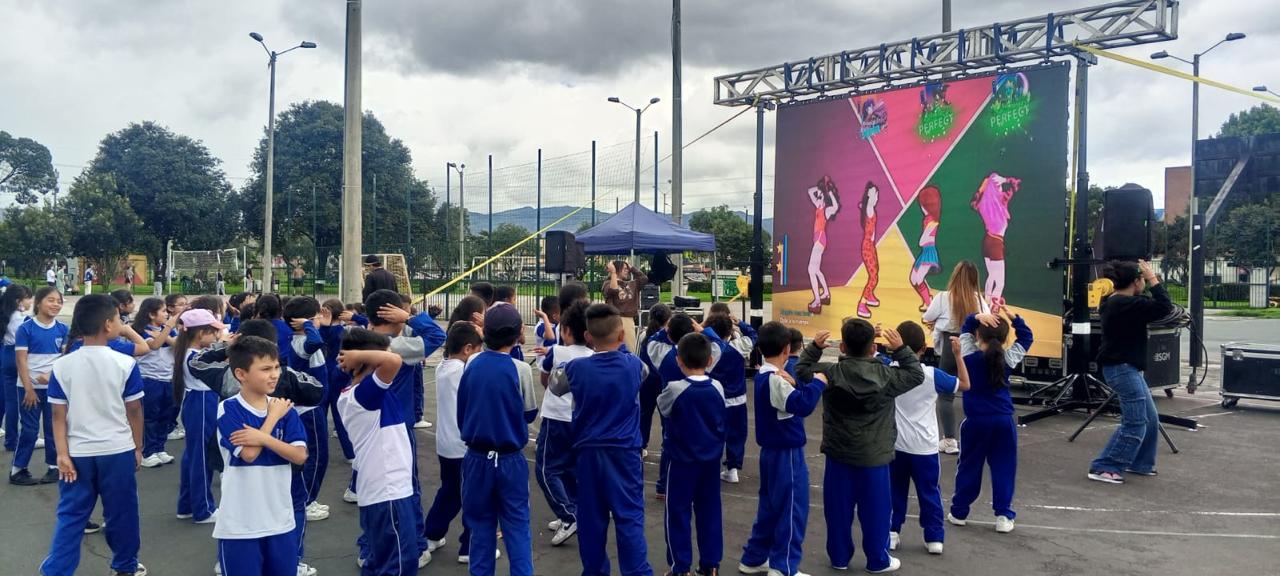
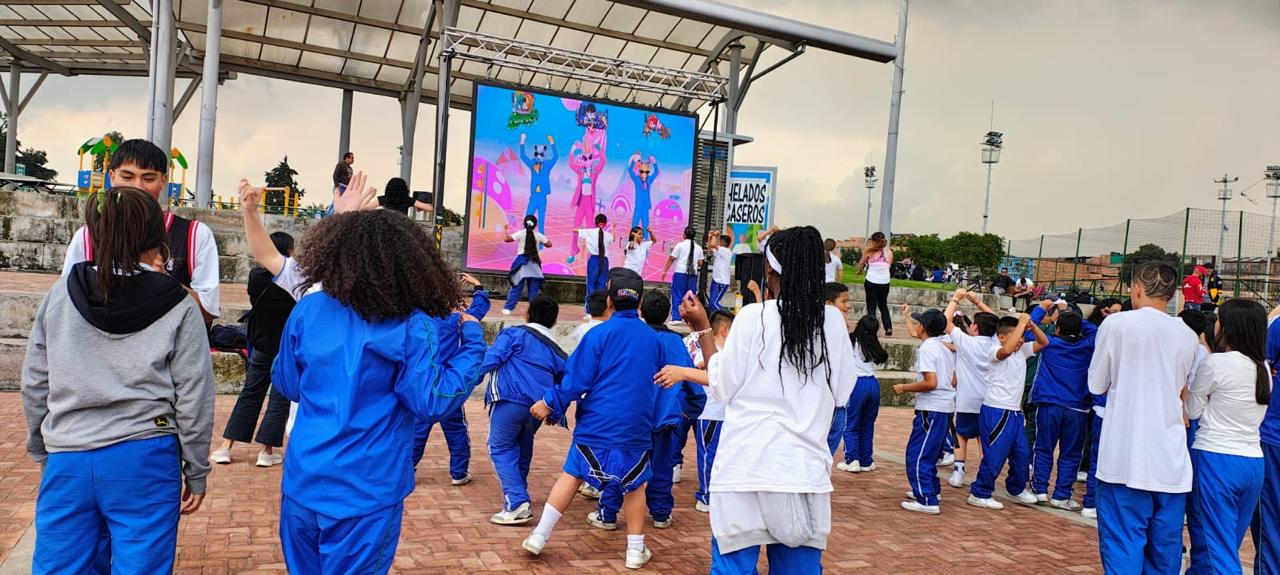
We spoke with Adriana at the Games of the Future 2026 as she had brought some of her students who were seeing the event for themselves. We talked about why schools have become such an important part of the organization’s work, the moments that have shown her the program is making a difference and what she hopes comes next for the young people taking part.
What made you believe that schools were the right place to introduce phygital sport?
As a novel discipline combining two worlds, we understood that schools are the natural stage for children and young people to develop physical and digital skills simultaneously. Focusing on schools allows us to drive an organic generational shift, building the foundation from childhood so that, upon reaching adulthood, they naturally continue their high-performance journey toward the Games of the Future.
When you first introduced phygital sport to students, what surprised you most about the way they responded?
The reception was immediate and overwhelmingly enthusiastic. They get hooked from the very first second; there are no passive spectators – everyone wants to compete and be part of the experience.
Parents often worry that children spend too much time in front of screens. How has phygital sport helped change that conversation?
In Colombia, there is still a misconception that video games are merely a waste of time. However, parents have fully supported phygital sport because they see the balance firsthand. Seeing their children active, breaking a sweat, and engaging in real physical exertion addressed any concerns about screen time.
You’ve brought some of your students with you to the Games of the Future. What do you hope they will learn from being part of this event?
I hope they keep that spark and athletic ambition alive. Today, these kids no longer view the world championship as a distant dream – they picture themselves competing on the biggest stage in phygital sport. I want them to understand that with dedication, that dream is well within their reach.
How important is it for children to meet with students from other countries at such a young age?
It is a deeply transformative experience. International cultural exchange at a young age broadens their horizons, elevates their aspirations, and reshapes how they view the world. Phygital sport goes far beyond any competition – it serves as a comprehensive platform for personal growth and human development.
Have you already seen any stories or moments from your school program that convinced you this initiative was making a real difference?
Definitely. The Phygital School Games have given us truly moving moments. We frequently see athletes from underprivileged backgrounds and their families making extraordinary sacrifices just to compete. Seeing their tears of joy upon becoming champions, knowing all the effort and commitment they put in to get there, is living proof that this initiative is truly changing young lives.
Do you think some of these students could one day return to the Games of the Future as elite athletes?
Without a doubt. The young participants in the Phygital School Games Colombia are fully committed to their disciplines. They have the drive, the talent, and above all, a clear vision to compete at a world championship.
What advice would you give to other countries that are thinking about introducing phygital sport into schools?
I would tell them to take the leap without hesitation. Hosting the Phygital School Games not only impacts students directly, but it also unlocks incredible strategic opportunities. It fosters strong partnerships with government entities, attracts commercial sponsors, and builds a sustainable, scalable model for the long term.
Looking ahead, what is your dream for the next generation of phygital athletes in your country?
My dream is to establish a strong grassroots talent pipeline. I want our children to start in the Phygital School Games, advance to the Phygital Origins and Phygital Rivals tournaments as they grow, and ultimately shine on the global stage at the Games of the Future.


