As the global phygital calendar gathers momentum, WPC members from across the world are looking ahead to the Games of the Future Abu Dhabi 2025 powered by ADNOC, while already preparing for the next edition in Astana. Their perspectives reflect the growing scale of the movement and the shared excitement shaping its future. Across Europe, GOTF 2025 is seen not only as a showcase of elite performance, but as a reference point for national strategy and long-term planning.
In Croatia, the Croatian eSports Federation views Abu Dhabi as a defining moment for phygital sport, where traditional athletic excellence and elite esports converge on a global stage. The scale and competitiveness of the event are seen as benchmarks for future national development. Looking ahead, the Federation is already exploring opportunities to host qualifying tournaments in Croatia, particularly in Phygital Football or Phygital Basketball, and potentially Phygital Dancing as the discipline grows.
Jan Mikuličić, President of the Croatian eSports Federation: “Phygital sports create a natural bridge between traditional sport and esports, and we see huge potential for our athletes, clubs and fans. Croatia is ready to play its part.”
Similarly, in Serbia, attention is firmly on performance standards and competitive readiness. While following the elite level on display in Abu Dhabi, the National Serbian E-Sports Association is also preparing for the next Phygital Rivals event in Phygital Shooter, set to take place live at Games.CON Serbia. The on-stage format is expected to raise expectations and support preparations for the 2025/26 season.
Nikola Milicevic, Project Manager at the National Serbian E-Sports Association: “I hope the matches are exciting, competitive and full of energy. May the best clubs shine and set the tone for the seasons ahead.”
Meanwhile, in Cyprus, the focus is on observation and learning. Following participation in the Phygital Contenders earlier this year, the WPC member remains closely engaged with GOTF 2025 despite not having a club represented in Abu Dhabi. The Games are viewed as a chance to observe innovation and competitive intensity at the highest level, with insights feeding into future preparation.
Vasilios Efthymiou, President of E.P.S. Virtual Gaming Cyprus: “The Games of the Future bring together the strongest phygital teams in the world. Following the finals allows us.”
Across Africa, a shared emphasis is emerging on learning from global best practice while strengthening local ecosystems.
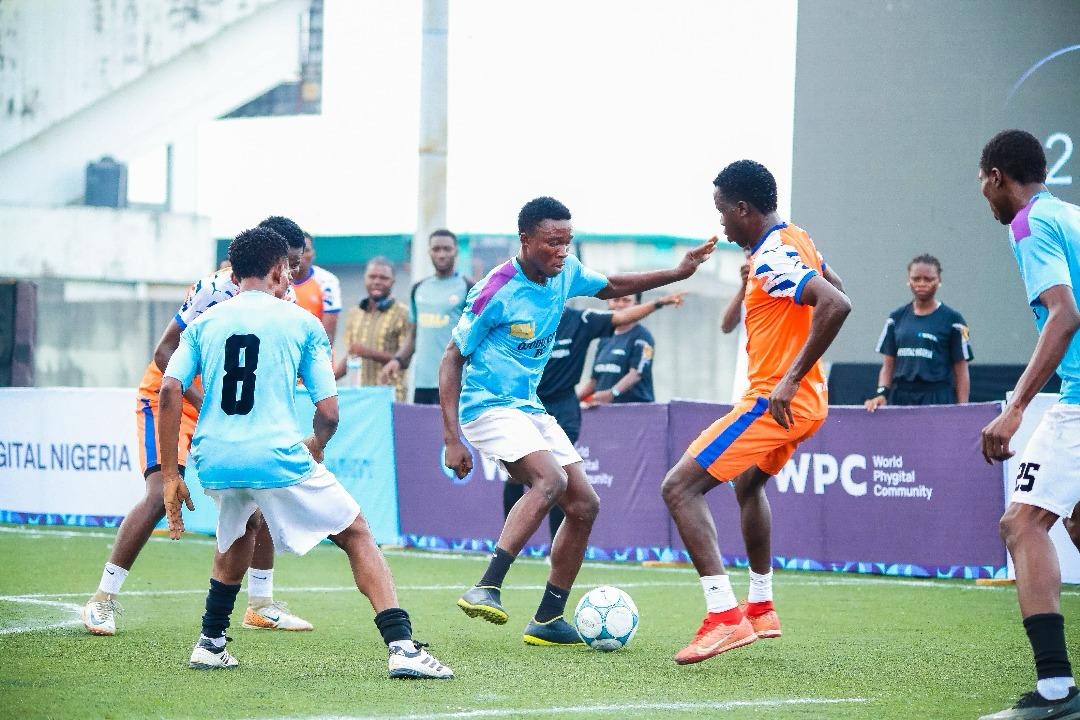
In Nigeria, Infinity Citizens Limited is approaching GOTF 2025 as an opportunity to observe how a world-class phygital event is delivered and to connect with other communities shaping the ecosystem. These insights are expected to feed directly into local development efforts, with clear ambitions to host qualifiers and expand talent identification on the road to 2026.
Jeremiah Oluwaseun, President of Infinity Citizens Limited: “Hosting local qualifiers would be a major step for us. It allows us to discover talent, build networks and create world-class phygital experiences.”
Further west, in Burkina Faso, the Association Faso Gamers sees GOTF 2025 as a chance to learn from international competition structures, observe innovation in action and strengthen African visibility within the phygital ecosystem. Looking ahead to 2026, the focus is on building stronger preparation pathways and ensuring athletes can develop under the right conditions.
Lousse Arnaud Posse, President of Association Faso Gamers: “The Games of the Future represent a unique opportunity to showcase talent and inspire young people. We remain committed to building a strong and accessible esports ecosystem.”
In Asia, momentum continues to build in Bangladesh following the successful delivery of the Bangladesh Phygital Championship, which brought together 16 clubs and marked a key milestone for the local ecosystem. While this season presented challenges internationally, attention has already shifted toward 2026, with ambitions to compete in Phygital Football and Phygital Dancing and to bring more athletes and communities into the movement.
Arefa Parvin Taposhe, President of the Bangladesh Youth Development and Electronic Sports Association: “Bangladesh has embraced the future of sports with passion and resilience. While challenges held us back this year, our vision grows stronger and our ambitions for 2026 are clear.”
And across Latin America, the Games of the Future are increasingly viewed as a platform for identity-building and global visibility.
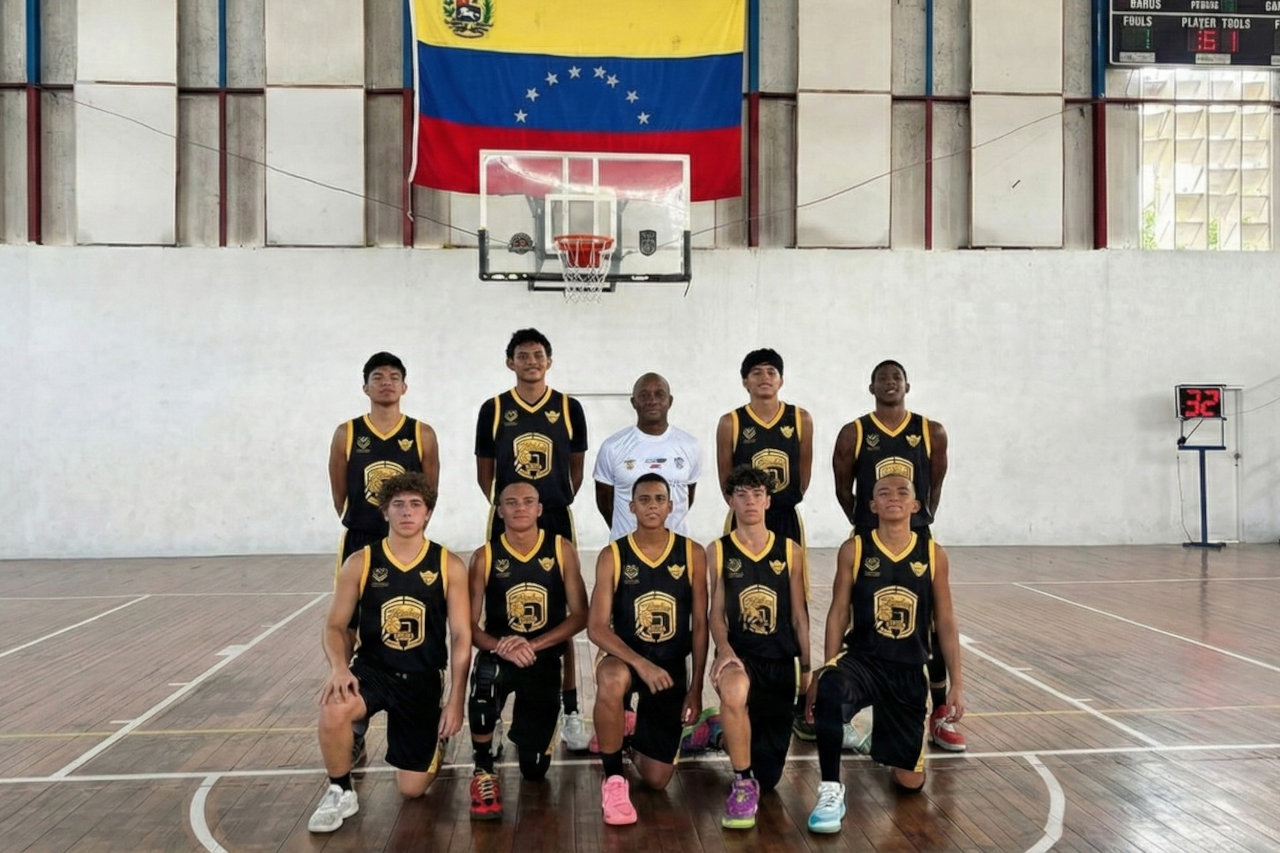
In Venezuela, GOTF 2025 is seen as a historic moment for the phygital movement, where physical and digital competition come together as a global spectacle. Athletes competing in Abu Dhabi are regarded as pioneers shaping a new sporting identity, with expectations high for greater inclusion, innovation and global reach as the ecosystem develops.
Emgelbert Farfán, President of the Venezuelan Federation of Electronic Sports: “Enjoy the tournament, make history and show that the future of sports is now.”
Taken together, these perspectives reflect a community moving in step, even as each member progresses at its own pace.
With the Games of the Future 2025 opening in Abu Dhabi on 18 December, the focus now turns to showcasing the depth of global competition while reinforcing the long-term frameworks that will carry phygital sport forward to 2026 and beyond.