The Phygital School Games initiative has taken a major step forward across Latin America, as WPC members in Guatemala, Colombia, and Brazil successfully launched large-scale school programs that combine physical sport with digital gaming. Following a landmark cooperation agreement signed by WPC members in Guatemala, Colombia, and Brazil earlier this year, the initiative has engaged thousands of students and demonstrated the growing momentum behind phygital sport in the region.
Designed to empower young people through a blend of physical activity and interactive gaming, the Phygital School Games aim to promote active lifestyles, support educational development, and encourage values such as teamwork, discipline, creativity, and collaboration.
In Guatemala, the Phygital School Games were held on 1 September 2025 at the Swiss American School and delivered by the National Electronic Sports Association of Guatemala (ADEG). The event brought together 30 schools and academies competing across Phygital Football, Phygital Basketball and Phygital Dancing. Nakahi Club secured the Phygital Football title, Futsal García won Phygital Basketball, and Hada Cardona from Sinai School took first place in Phygital Dancing — showcasing the diversity of talent emerging from Guatemala’s youth community.
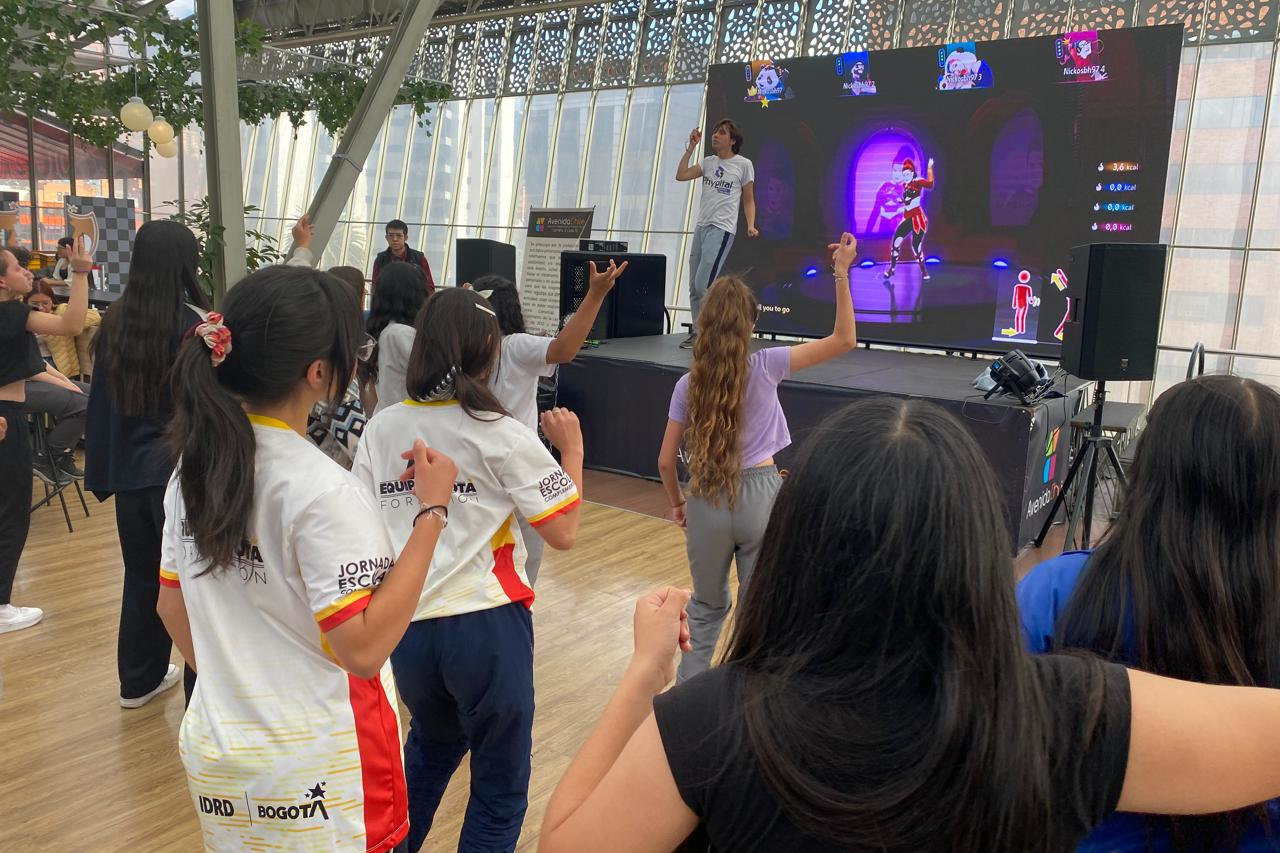
Colombia is currently running its qualifying phase in partnership with the District Institute of Recreation and Sports (IDRD) under the Bogotá Mayor’s Office. More than 15,000 students have already taken part in Phygital Dancing sessions across public schools, and over 100 dancers under the age of 17 will advance to compete in the Phygital Rivals finals in January 2026. This marks one of the region’s largest youth-focused phygital activations and highlights the demand for innovative sports programs within education systems.
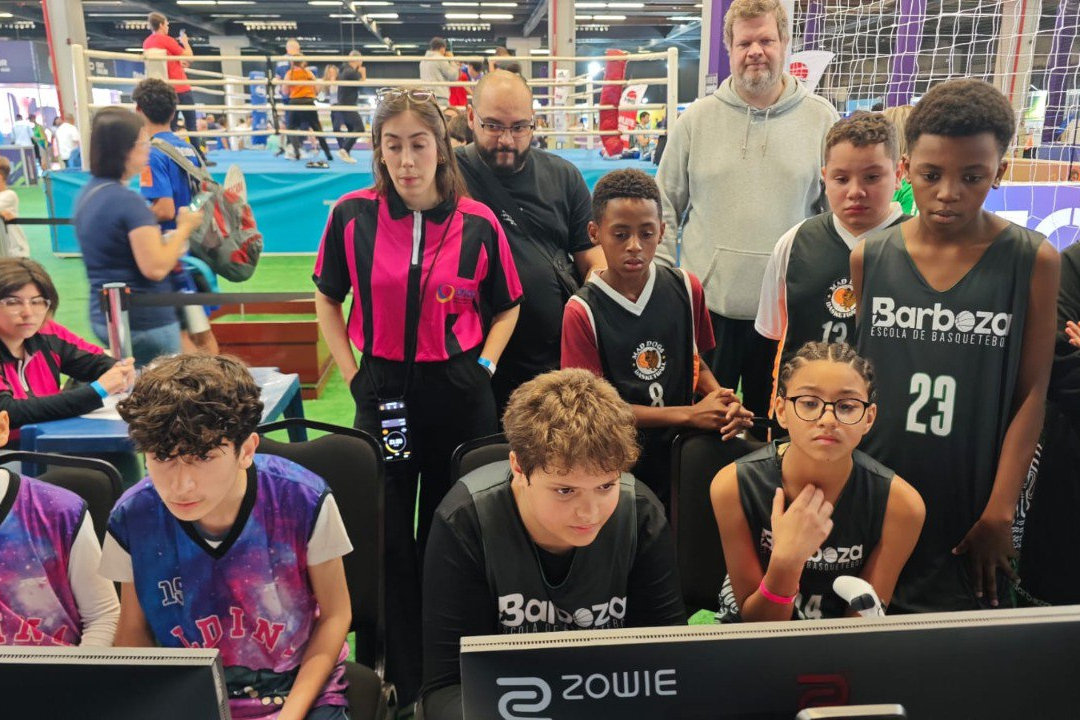
In Brazil, Phygital Brazil and FEDEESP (São Paulo State School Sports Federation) signed a Technical Cooperation Agreement to introduce phygital sports across São Paulo and eventually nationwide. The initiative debuted at COB EXPO 2025, organized by the Brazilian Olympic Committee, where 12 schools participated in Phygital Basketball and Phygital Football as part of Brazil’s first Phygital School Circuit.
“These events across Latin America show what’s possible when we bring phygital sports into schools and communities,” said Dan Merkley, Chairperson and Managing Director of the World Phygital Community. “This is exactly the kind of grassroots momentum that will shape the future of phygital competition.”
With strong early results across Guatemala, Colombia, and Brazil, the Phygital School Games are positioned to expand even further. As the WPC network – now active in over 115 countries – continues to grow, the Latin American experience stands as a model for how phygital sport can elevate creativity, participation, and accessibility amongst the youth worldwide.